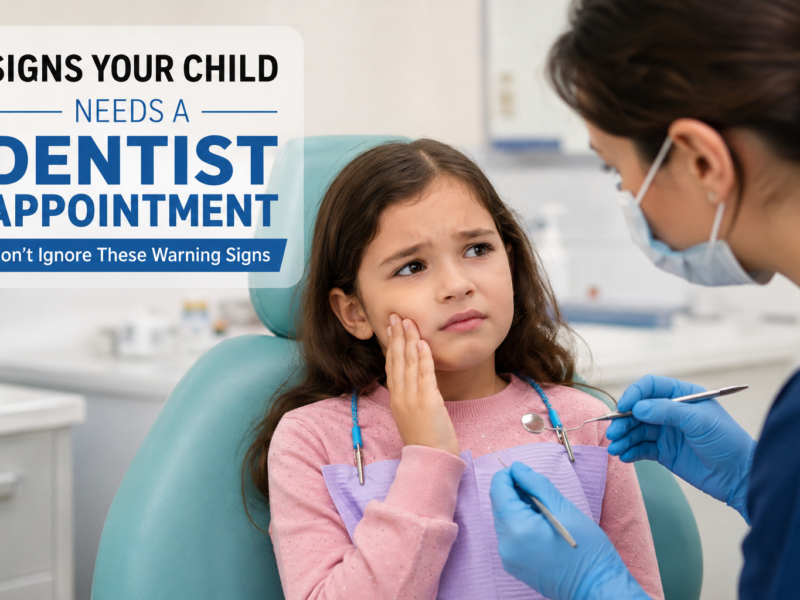
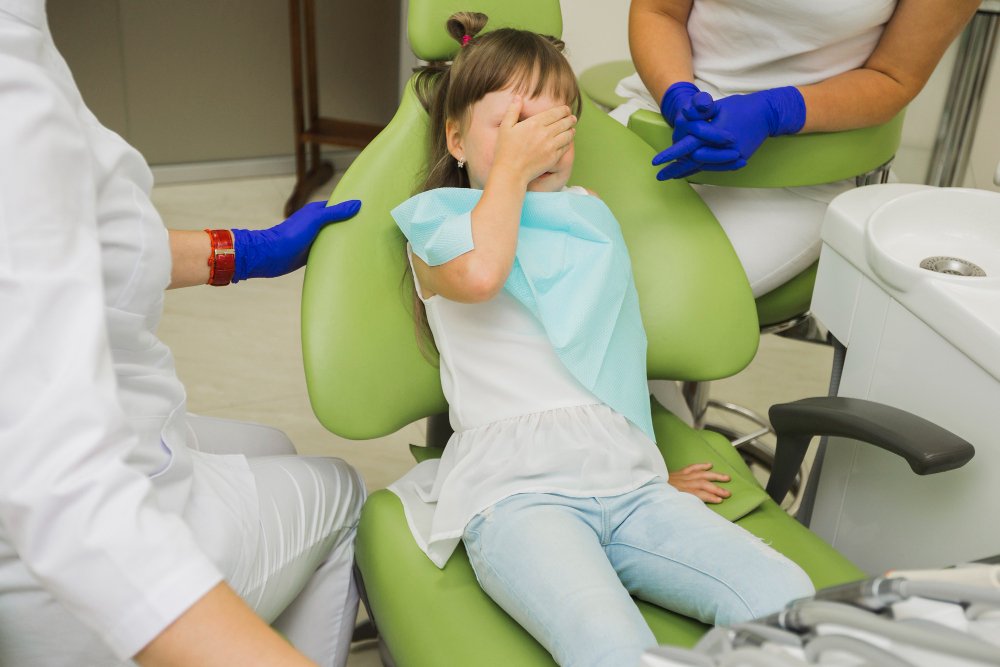
Dental anxiety in children is far more common than most parents realize. Many kids feel nervous before a dental visit—and for some, that nervousness can grow into something hard to manage. Left unaddressed, this fear can lead to skipped appointments, untreated cavities, and a lifelong aversion to dental care.
The good news? Most children can and do overcome dental anxiety with the right support. Understanding what’s driving the fear—and knowing how to respond—makes a real difference. This guide covers everything parents need to know, from spotting early signs of anxiety to practical strategies that work before, during, and after the appointment.
What Is Dental Anxiety in Children?
Dental anxiety is a feeling of fear, stress, or unease connected to dental visits or dental procedures. It exists on a spectrum. Some children feel mild butterflies before an appointment, but settle down once they’re in the chair. Others experience something more intense—what’s often called child dental phobia—where the fear is persistent, overwhelming, and hard to reason through.
Knowing the difference matters. Mild nervousness is a normal part of childhood. Child dental phobia, on the other hand, can interfere with a child’s ability to receive necessary care.
Common signs that a child may be experiencing dental anxiety include:
- Crying or becoming upset before or during appointments
- Refusing to enter the dental office
- Trouble sleeping the night before a visit
- Clinging to parents more than usual
- Physical symptoms like stomachaches or headaches on the day of the appointment
If any of these sound familiar, you’re not alone—and there are clear, proven ways to help.
What Causes Kids’ Fear of the Dentist?
Fear rarely comes from nowhere. Understanding what’s behind kids’ fear of the dentist helps parents respond more effectively.
Fear of Pain
For many children, the fear is rooted in pain—either a previous uncomfortable experience or the anticipation of one. The idea of an injection or unfamiliar sensations in the mouth can feel very threatening, especially for younger children who don’t yet have the language to express or process those feelings.
Fear of the Unknown
A dental office is full of new stimuli. The reclining chair, the overhead light, the tools—none of it is familiar. Children who haven’t been exposed to dental environments before may feel anxious simply because they don’t know what to expect.
Parents’ Anxiety Can Influence Children
Children are highly attuned to adult emotions. A parent who feels anxious about dental visits—even one who doesn’t say anything out loud—can inadvertently pass that anxiety on. Body language, tone of voice, and offhand comments all send signals that children pick up on quickly.
Sensory Sensitivities
Some children are particularly sensitive to sensory input. The bright overhead lights, the sound of dental equipment, the smell of the office, or the physical sensation of someone working in their mouth can all feel overwhelming—especially for children with sensory processing differences.
Why It’s Important to Address Dental Anxiety Early
Anxiety that’s left unaddressed doesn’t tend to fade on its own. When children avoid dental visits because of fear, the consequences build over time.
Delayed dental care leads to untreated cavities, which become more serious problems that require more intensive treatment. That more intensive treatment then reinforces the fear, creating a cycle that becomes harder to break. Over time, children may also develop poor oral hygiene habits at home, since the discomfort associated with dental care extends beyond the office.
Early intervention breaks that cycle. Positive dental experiences in childhood set the foundation for a lifetime of healthy habits.
How to Calm a Child at the Dentist Before the Appointment
Preparation starts at home—long before you pull into the parking lot.
Talk Positively About Dental Visits
The words parents use matter. Frame dental visits as something normal and positive, rather than something to “get through.” Share your own experiences in a calm, upbeat way.
Read Children’s Books About Dentists
There are many great children’s books that introduce the concept of dental visits in a friendly, age-appropriate way. Reading one together ahead of the appointment helps demystify the experience.
Watch Kid-Friendly Dental Videos
Short videos featuring child-friendly explanations of dental checkups can make the unknown feel familiar. Look for content designed specifically for young children.
Play Pretend Dentist at Home
Role-playing a dental visit—taking turns “checking” each other’s teeth with a toothbrush—can normalize the experience and give children a sense of what to expect.
Schedule Morning Appointments
Tired children are less resilient. Morning appointments, when kids are rested and alert, tend to go more smoothly than afternoon ones.
Ensure Your Child Gets Enough Sleep
A well-rested child handles new or stressful situations better. The night before the appointment, prioritize a good bedtime routine.
Avoid Using Scary Words
Word choice has a big impact. Instead of saying “pain,” “needle,” “shot,” or “drill,” use gentler language:
- “Clean” instead of drill
- “Count your teeth” instead of an examination
- “Healthy smile” instead of anything that implies something might be wrong
These small shifts reduce the chance of triggering anxiety before the visit even begins.
Tips That Help During the Dental Appointment
Even with the best preparation, some children still feel nervous once they’re in the chair. These strategies can help in the moment.
Stay Calm Yourself
Your child is watching you. If you seem relaxed and confident, that calm is contagious. Take a slow breath, smile, and keep your voice steady.
Bring a Favorite Toy or Blanket
A familiar comfort object gives children something to hold onto—literally and figuratively. Many pediatric dental offices welcome this.
Praise Brave Behavior
Acknowledge the effort, not just the outcome. “You did such a good job sitting still,” or “I’m so proud of how brave you were,” reinforces positive associations.
Use Positive Reinforcement
A small, non-food reward waiting at the end of the visit gives children something to look forward to. This could be a sticker, a trip to the park, or extra screen time.
Let the Pediatric Dentist Lead Communication
Pediatric dentists are trained to speak directly with children in ways that are age-appropriate and reassuring. Let the dentist take the lead when explaining procedures—they know how to frame things in ways that reduce fear rather than amplify it.
How a Pediatric Gentle Dentist Makes Visits Less Stressful
Choosing the right dental provider makes a significant difference. A pediatric gentle dentist is trained not only in dental care for children, but also in child psychology and behavior management.
Techniques like the Tell-Show-Do method—explaining what will happen, showing the child the tool, then proceeding—are standard practice in pediatric dentistry. These dentists also use positive reinforcement throughout the appointment, celebrate small wins, and adjust their communication style based on each child’s age and temperament.
The environment matters too. Child-focused dental offices are designed with kids in mind: bright colors, toys, TVs, and a team that genuinely enjoys working with young patients. That atmosphere alone can shift how a child feels the moment they walk through the door.
When Dental Anxiety May Be a Dental Phobia
For some children, anxiety goes beyond nerves. Signs that a child may be experiencing a more serious dental phobia include:
- Panic attacks before or during appointments
- Complete refusal to attend, regardless of preparation
- Severe, inconsolable crying
- Fear that persists even after multiple positive experiences
When dental phobia is present, additional support may be needed. Options include multiple short visits to gradually build comfort, behavioral techniques guided by a professional, sedation dentistry where appropriate, and close collaboration between parents and the dental team to create a consistent, supportive plan.
How Parents Can Build Lifelong Positive Dental Habits
Each successful dental visit is a building block. Over time, these experiences shape how children think and feel about dental care as adults.
To support that long-term positive relationship with oral health:
- Maintain regular preventive dental visits every six months
- Celebrate successful appointments with praise and non-food rewards
- Keep consistent brushing and flossing routines at home
- Choose the same pediatric dental office so children build familiarity with the team and environment
Why Families Trust Best Dentist 4 Kids
At Best Dentist 4 Kids, the entire practice is built around making children feel safe, comfortable, and genuinely cared for. The team—including Dr. Michael Koumaras, Dr. Dena, Dr. Gracie, and Dr. Lennie Checchio—brings both clinical expertise and a warm, child-first approach to every appointment.
From the game rooms and TVs in the waiting area to the gentle examination techniques used chairside, every detail of the practice is designed with young patients in mind. The focus is always on compassionate communication, prevention, and helping children build real confidence at every visit.
Families across Philadelphia, Hatboro, and Montgomeryville have made Best Dentist 4 Kids their trusted home for pediatric dental care—and the reviews speak for themselves.
Ready to book your child’s next visit? Schedule an appointment at bestdentist4kids.com and let the team show your child that the dentist can be a great place to be.
Dental Anxiety Is Manageable—and You Don’t Have to Figure It Out Alone
Dental anxiety in children is common, but it doesn’t have to define your child’s relationship with oral health. With early, positive experiences and a dental team that genuinely understands how children think and feel, fearful visits can become something your child looks forward to—or at least, no longer dreads.
Parents and pediatric dentists working together are the most powerful combination. Start building those habits early, stay consistent, and celebrate every small step forward. The investment pays off for a lifetime.
Frequently Asked Questions
Ans: – Dental anxiety in children can stem from several sources: fear of pain or injections, unfamiliarity with the dental environment, sensory sensitivities, or absorbing anxiety from parents or caregivers. Previous uncomfortable dental experiences are also a common trigger.
Ans: – Talk positively about the visit, use gentle language (avoid words like “needle” or “drill”), read dental-themed children’s books, and consider role-playing a dental checkup at home. Scheduling morning appointments when your child is well-rested also helps.
Ans: – Dental anxiety refers to general nervousness or unease around dental visits—common and manageable for most children. Child dental phobia is more severe, involving intense panic, complete refusal to attend appointments, or persistent fear that doesn’t improve with positive experiences.
Ans: – The American Academy of Pediatric Dentistry recommends that children have their first dental visit by their first birthday, or within six months of their first tooth appearing—whichever comes first.
Ans: – Yes. Pediatric dentists are specifically trained in child behavior management and communication. Techniques like Tell-Show-Do, positive reinforcement, and gentle examination methods are all designed to reduce anxiety and build trust with young patients over time.