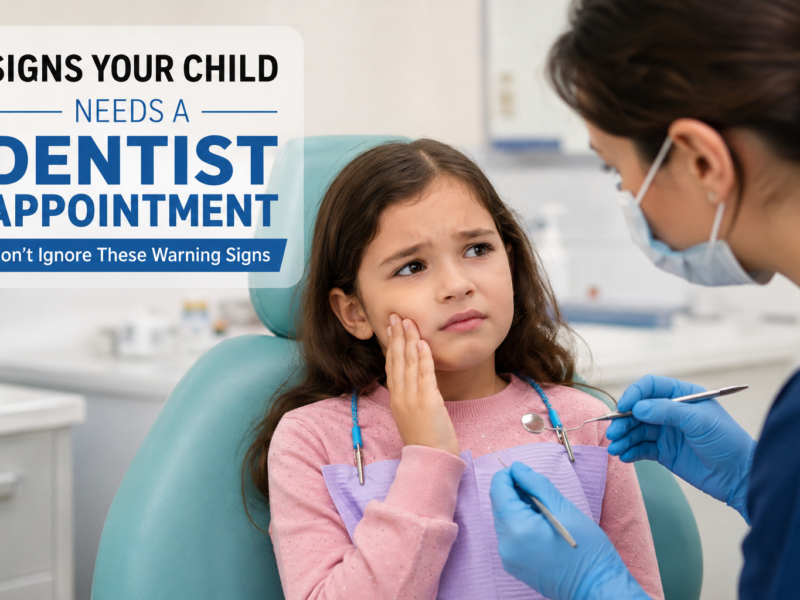
Accidents happen fast. One moment, your child is laughing on the playground, and the next, they’re holding their mouth in pain. Dental emergencies in children are more common than many parents expect—sports collisions, playground falls, and everyday mishaps can all result in a knocked-out tooth, a fracture, or sudden, intense pain.
The good news? Quick action can often save a tooth and significantly reduce complications. Knowing what to do in the first few minutes—and understanding when to call an emergency kids dentist versus head to the ER—can make all the difference. This guide gives Philadelphia parents the information they need to respond confidently when a pediatric dental emergency strikes.
What Is Considered a Pediatric Dental Emergency?
Not every dental issue requires an emergency visit, but some situations absolutely cannot wait. A true pediatric dental emergency involves any injury or condition causing severe pain, bleeding, or risk of permanent damage.
Common examples include:
- Severe or persistent tooth pain
- A knocked-out permanent tooth
- A broken or fractured tooth
- A loose permanent tooth following trauma
- A dental abscess or facial swelling
- Bleeding that won’t stop after 10–15 minutes
- Injuries to the lips, gums, or tongue
If your child is experiencing any of the above, contact a pediatric dental emergency provider in Philadelphia as soon as possible.
Common Pediatric Dental Emergencies Parents Face
What Should I Do If My Child Has a Knocked-Out Tooth?
A child knocked out tooth is one of the most urgent dental emergencies—but the right response depends entirely on whether the tooth is a baby tooth or a permanent one.
Baby teeth should not be replanted. Attempting to reinsert a primary tooth can damage the developing permanent tooth beneath the gumline. Instead, focus on controlling any bleeding and contacting your pediatric dentist.
Permanent teeth are a different story. Time is critical—ideally, a knocked-out permanent tooth should be reinserted or preserved within 30 to 60 minutes.
Here’s what to do immediately:
- Pick up the tooth by the crown (the white part), never the root
- Rinse it gently with milk or saline—not tap water
- If your child is old enough and cooperative, try placing the tooth back in the socket
- If reimplantation isn’t possible, store the tooth in a container of milk or your child’s saliva
- Get to an emergency kids’ dentist immediately
How Should I Treat a Broken Tooth in a Child?
A broken tooth in a child can range from a minor cosmetic chip to a serious fracture exposing the inner pulp. Even small chips deserve prompt attention—sharp edges can cut soft tissue, and exposed dentin can be painful and vulnerable to infection.
What to do right away:
- Rinse your child’s mouth with warm water
- Save any broken fragments in a bag or container
- Apply a cold compress to the face to reduce swelling
- Call your pediatric dentist to schedule an urgent visit
Avoid giving your child hard or crunchy food until the tooth has been evaluated.
When Is a Toothache Considered a Toothache Emergency Pediatric Situation?
An emergency pediatric visit is warranted when the pain is severe, persistent, or accompanied by swelling or fever. Toothaches in children can signal a range of issues—untreated cavities, a cracked tooth, food lodged between teeth, gum inflammation, or dental trauma.
Before the appointment:
- Give your child an age-appropriate pain reliever (such as children’s ibuprofen or acetaminophen)
- Apply a cold pack to the outside of the cheek
- Do not place aspirin directly on the gum or tooth, as this can cause tissue burns
- Keep your child calm and avoid hot or cold foods that could worsen the pain
What Happens If a Permanent Tooth Becomes Loose After an Injury?
A permanent tooth that feels loose or displaced after trauma needs immediate evaluation. Unlike baby teeth, permanent teeth don’t naturally loosen on their own. Delaying treatment—even by a day or two—can result in tooth loss, bone damage, or misalignment. Contact an emergency kids dentist the same day the injury occurs.
What Are the Warning Signs of a Dental Abscess in Children?
A dental abscess is a bacterial infection that requires urgent care. Signs to watch for include:
- Noticeable swelling of the face, jaw, or gums
- Fever
- Pus or a bump on the gum near the affected tooth
- A bad taste in the mouth
- Difficulty eating or swallowing
Left untreated, a dental abscess can spread to the jaw, neck, or even the brain. If your child has any of these symptoms, don’t wait for a routine appointment.
What Should Parents Do Before Visiting the Dentist?
Staying calm is the first step—children take emotional cues from their parents. Here’s a practical checklist for managing a dental emergency at home:
- Stay calm and reassure your child
- Control bleeding by gently pressing gauze or a clean cloth to the area
- Apply a cold compress to the face to minimize swelling
- Preserve any knocked-out or broken tooth fragments
- Avoid placing aspirin directly on the gums
- Give child-safe pain medication if needed
- Call an emergency pediatric dentist immediately
When Should You Go to the Emergency Room Instead?
Most pediatric dental emergencies are best handled by a dentist, not a hospital ER. Emergency rooms are rarely equipped to perform dental procedures, and wait times can be long. However, certain situations require emergency medical care first:
- Heavy bleeding that cannot be controlled
- Difficulty breathing or swallowing
- A suspected jaw fracture
- Head injury accompanied by loss of consciousness
- Severe facial trauma involving multiple injuries
Once your child is medically stable, follow up with a pediatric dentist as quickly as possible for dental-specific treatment.
Why Does Immediate Treatment Matter?
The faster a child receives treatment after a dental injury, the better the outcome. Prompt care can:
- Save a permanent tooth that might otherwise be lost
- Prevent infection from spreading to surrounding teeth and tissue
- Reduce pain and distress for your child
- Avoid costly future treatments, such as implants or extensive restorative work
- Protect developing teeth that could be affected by trauma or untreated infection
- Support faster healing by addressing the injury before complications set in
How Do Pediatric Dentists Handle Dental Emergencies?
Pediatric dentists are trained specifically to manage dental trauma in children—physically and emotionally. Depending on the injury, treatment may include:
- Digital X-rays to assess damage below the gumline
- Tooth splinting to stabilize a displaced or loose permanent tooth
- Emergency fillings or crowns to protect a fractured tooth
- Pulp therapy (similar to a root canal) for deep fractures or infection
- Tooth reimplantation for knocked-out permanent teeth
- Infection management with antibiotics or drainage procedures
- Pain relief administered in a child-friendly, low-anxiety environment
Child-focused techniques—such as tell-show-do approaches, gentle communication, and distraction tools—help keep young patients calm during treatment.
How Can Parents Prevent Pediatric Dental Emergencies?
While accidents aren’t always preventable, these steps can significantly reduce the risk:
- Wear a mouthguard during contact sports and recreational activities
- Use helmets when biking, skating, or skateboarding
- Childproof the home by securing sharp edges and slippery surfaces for toddlers
- Avoid chewing hard objects like ice, hard candy, or pen caps
- Attend regular dental checkups every six months
- Treat cavities early before they progress to more serious infections
- Encourage consistent oral hygiene from an early age
Why Philadelphia Parents Trust a Pediatric Emergency Dentist
When a dental crisis strikes, parents in Philadelphia need a provider who understands children—not just teeth. Pediatric dentists complete an additional two to three years of specialized training beyond dental school, focusing on child development, behavior management, and dental trauma.
Choosing a practice experienced in pediatric dental emergencies in Philadelphia means access to:
- Specialists who work exclusively with infants, children, and teens
- Faster diagnosis using child-specific imaging tools
- A kid-friendly office environment designed to reduce fear and anxiety
- Dentists practiced gentle techniques that kept children cooperative and comfortable
- Experienced hands who have handled everything from broken teeth to dental abscesses
Having an established relationship with a trusted emergency kids dentist before an accident occurs makes an already stressful situation far more manageable.
Be Ready Before an Emergency Happens
Dental emergencies are stressful—but they’re manageable when you know what to do. Quick, informed action can often save your child’s tooth and prevent more serious complications down the line. Keep your pediatric dentist’s emergency contact number saved in your phone and review this guide so you’re ready to act fast if something happens. A few minutes of preparation today could protect your child’s smile for years to come.
Frequently Asked Questions
Ans: – Pick up the tooth by the crown (not the root), rinse it gently with milk, and either reinsert it into the socket or store it in milk. Contact an emergency pediatric dentist immediately—ideally within 30 to 60 minutes for the best chance of saving the tooth.
Ans: – It depends on the extent of the damage. A minor chip may not require emergency care, but a significant fracture—especially one causing pain or exposing the inner pulp—should be evaluated by a dentist promptly to prevent infection and protect nearby teeth.
Ans: – Yes. Persistent, severe tooth pain—especially when paired with swelling, fever, or facial tenderness—can indicate an abscess or serious infection. This qualifies as a dental emergency and should be treated quickly to prevent the infection from spreading.
Ans: – Go to the ER if your child has uncontrolled bleeding, difficulty breathing, a suspected jaw fracture, or a head injury. For most dental-specific emergencies—knocked-out teeth, fractures, or abscesses—an emergency pediatric dentist is better equipped to provide the right treatment.
Ans: – No. Replanting a baby tooth is not recommended, as it can interfere with the growth of the permanent tooth underneath. Focus on stopping any bleeding, keeping your child calm, and contacting your pediatric dentist for guidance.