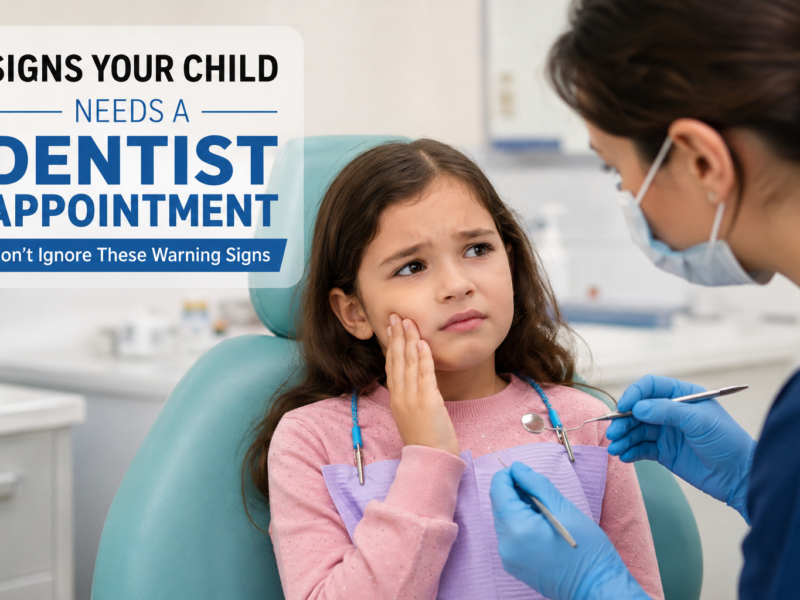

Cavities are the most common chronic childhood disease in the United States—more common than asthma or diabetes. Yet they’re almost entirely preventable. For parents in Montgomery, PA, understanding what causes tooth decay and how to stop it early can save your child from pain, missed school days, and costly dental procedures down the road.
The good news? Small, consistent habits make a significant difference. Brushing, flossing, smart snacking, and regular visits to a pediatric dentist all work together to protect your child’s smile from the very first tooth. This guide walks you through everything you need to know about cavity prevention for kids in Montgomery, PA.
Why Are Children More Prone to Cavities?
Children’s teeth aren’t just smaller versions of adult teeth—they’re structurally different. Developing enamel is thinner and more porous, which makes it easier for bacteria to penetrate and cause decay.
Add to that the reality of a typical child’s diet: frequent snacking, fruit juice, sports drinks, and sticky candies. Many of these foods contain hidden sugars that feed the bacteria responsible for tooth decay. Even foods marketed as “healthy”—flavored yogurts, granola bars, dried fruit—can be surprisingly high in sugar.
Brushing habits don’t help either. Kids often rush through brushing, miss back molars entirely, and rarely floss. Without proper technique and adult supervision, plaque builds up quickly. Teaching good oral hygiene early—and making it a non-negotiable part of the daily routine—is one of the most important things a parent can do.
How to Prevent Tooth Decay in Children
Learning how to prevent tooth decay in children starts at home, well before the first dental appointment.
Brush Twice Every Day
Brushing morning and night is the foundation of cavity prevention. Use a soft-bristled toothbrush and guide your child to brush in small, circular motions, covering all surfaces of each tooth. Each session should last two full minutes—most kids rush and finish in under 30 seconds.
Children under age 6 need adult supervision to brush properly. Until around age 8 or 9, most kids lack the fine motor skills to clean their teeth effectively on their own.
Choose the Right Fluoride Toothpaste for Kids
Fluoride strengthens enamel and helps reverse early-stage decay. The American Dental Association (ADA) recommends using fluoride toothpaste for kids as soon as the first tooth appears. For children under 3, use a rice grain-sized smear. For ages 3 to 6, a pea-sized amount is appropriate.
Make sure your child spits rather than swallows toothpaste, and avoid rinsing with water immediately after brushing—this washes away the fluoride before it can do its job.
Don’t Skip Flossing
Flossing should begin as soon as two teeth touch, which can happen as early as age 2 or 3. This is the only way to remove plaque and food debris from between teeth, where toothbrushes simply can’t reach.
For younger children, floss picks or pre-threaded flossers are much easier to use than traditional string floss. Build it into the bedtime routine, so it becomes automatic.
Healthy Eating Habits That Help Prevent Cavities
What your child eats between meals matters just as much as brushing. Limiting sugary snacks reduces the frequency of acid attacks on tooth enamel. Sticky candies—like gummies, caramels, and fruit chews—are especially problematic because they cling to teeth long after eating.
Swap sugary drinks for water whenever possible. Fluoridated tap water helps strengthen teeth while keeping the mouth hydrated. Saliva is a natural cavity fighter—it neutralizes acids and rinses away food particles—and drinking water supports healthy saliva production.
Snacks that are good for teeth include:
- Cheese and yogurt – high in calcium, which supports enamel
- Apples, carrots, and cucumbers – crunchy textures help clean tooth surfaces
- Nuts (age-appropriate) – low in sugar and high in tooth-supporting minerals
Kids’ Cavity Prevention Tips Every Parent Should Follow
These kids’ cavity prevention tips are simple to implement and make a measurable difference over time:
- Brush before bed – this is the most important brushing session of the day
- Replace toothbrushes every three months or after illness
- Drink fluoridated water rather than filtered or bottled water where possible
- Use a mouthguard during contact sports to protect teeth from trauma
- Avoid constant snacking – frequent eating keeps acid levels elevated in the mouth
- Schedule routine dental visits every six months
- Make brushing fun with a two-minute timer, a favorite song, or a reward chart for younger kids
The Role of Professional Dental Cleanings
Even with perfect home care, plaque hardens into tartar in hard-to-reach areas—and only a dental professional can remove it. Routine cleanings do far more than polish teeth. They allow the dentist to detect early cavities before they become painful, take X-rays when needed, and apply preventive treatments like fluoride varnish.
Many families skip preventive visits to save money, but the opposite logic applies: a routine cleaning costs a fraction of what a filling or crown requires. Catching problems early almost always means simpler, less expensive treatment.
Dental Sealants: Extra Protection Against Cavities
Dental sealants are thin, protective coatings applied to the chewing surfaces of back molars—the teeth most vulnerable to decay because of their deep grooves. Food and bacteria collect in these grooves, and a toothbrush often can’t clean them thoroughly.
Sealants are painless to apply and typically last several years with normal wear. The ADA recommends them for children as soon as their first permanent molars come in, usually around ages 6 to 7, and again when second molars arrive around age 12. For cavity-prone children, sealants can reduce the risk of decay in treated teeth by up to 80%.
Signs Your Child May Be Developing a Cavity
Don’t wait for your child to complain of a toothache. By then, decay has often progressed significantly. Watch for these early warning signs:
- White spots on teeth (a sign of early enamel breakdown)
- Brown or black spots on tooth surfaces
- Sensitivity to hot, cold, or sweet foods
- Pain while eating
- Persistent bad breath
- Food consistently gets stuck in the same area
Early-stage cavities caught during a routine exam are much easier—and cheaper—to treat than advanced decay.
Why Choosing a Pediatric Dentist Matters
A pediatric dentist completes two to three additional years of specialized training after dental school, focused specifically on children’s oral health, behavior management, and development. This training makes a real difference in how young patients experience dental care.
Pediatric dental offices are designed with children in mind—from the décor to the language used during exams. A skilled pediatric dentist knows how to ease dental anxiety, explain procedures in age-appropriate ways, and create a positive experience that children carry into adulthood. Early, positive dental visits reduce the likelihood of dental fear later in life, which means better oral health long-term.
Why Families Choose Cavity Prevention for Kids in Montgomery, PA
Families in Montgomery, PA, have access to pediatric dental care that emphasizes prevention from the very first visit. Local practices focused on cavity prevention for kids in Montgomery, PA, offer personalized cleanings, fluoride treatments, and sealant applications, along with early orthodontic monitoring to catch developmental concerns before they become complex problems.
Appointments are designed to work around busy family schedules, and oral hygiene education is tailored to each child’s age and needs—whether that’s teaching a toddler how to hold a toothbrush or coaching a teenager on the impact of diet on enamel health.
Healthy Smiles Start with Simple Choices
Prevention will always be easier than treatment. A consistent routine at home—twice-daily brushing with fluoride toothpaste for kids, daily flossing, and smart snacking—combined with regular professional care forms the foundation of a healthy smile that lasts a lifetime.
If your child is due for a checkup, don’t put it off. Schedule a visit with a trusted pediatric dentist in Montgomery, PA, and give your child the best possible start for their oral health.
FAQs
Ans: – The most effective approach combines brushing twice daily with fluoride toothpaste, flossing daily, limiting sugary foods and drinks, drinking fluoridated water, and scheduling dental checkups every six months. Dental sealants add an extra layer of protection for back molars.
Ans: – The ADA recommends starting fluoride toothpaste as soon as the first tooth appears. Use a rice grain-sized amount for children under 3, and a pea-sized amount for ages 3 to 6.
Ans: – Most children should visit a pediatric dentist every six months for a cleaning and exam. Some children with higher cavity risk may benefit from more frequent visits—your dentist will advise based on your child’s individual needs.
Ans: – Yes. Dental sealants are one of the most cost-effective preventive treatments available. They protect the most cavity-prone teeth and can reduce decay risk by up to 80% in treated molars. The procedure is quick, painless, and long-lasting.
Ans: – Calcium-rich foods like cheese and plain yogurt support strong enamel. Crunchy fruits and vegetables like apples, carrots, and cucumbers help clean tooth surfaces and stimulate saliva. Water—especially fluoridated tap water—is the best drink for dental health.